
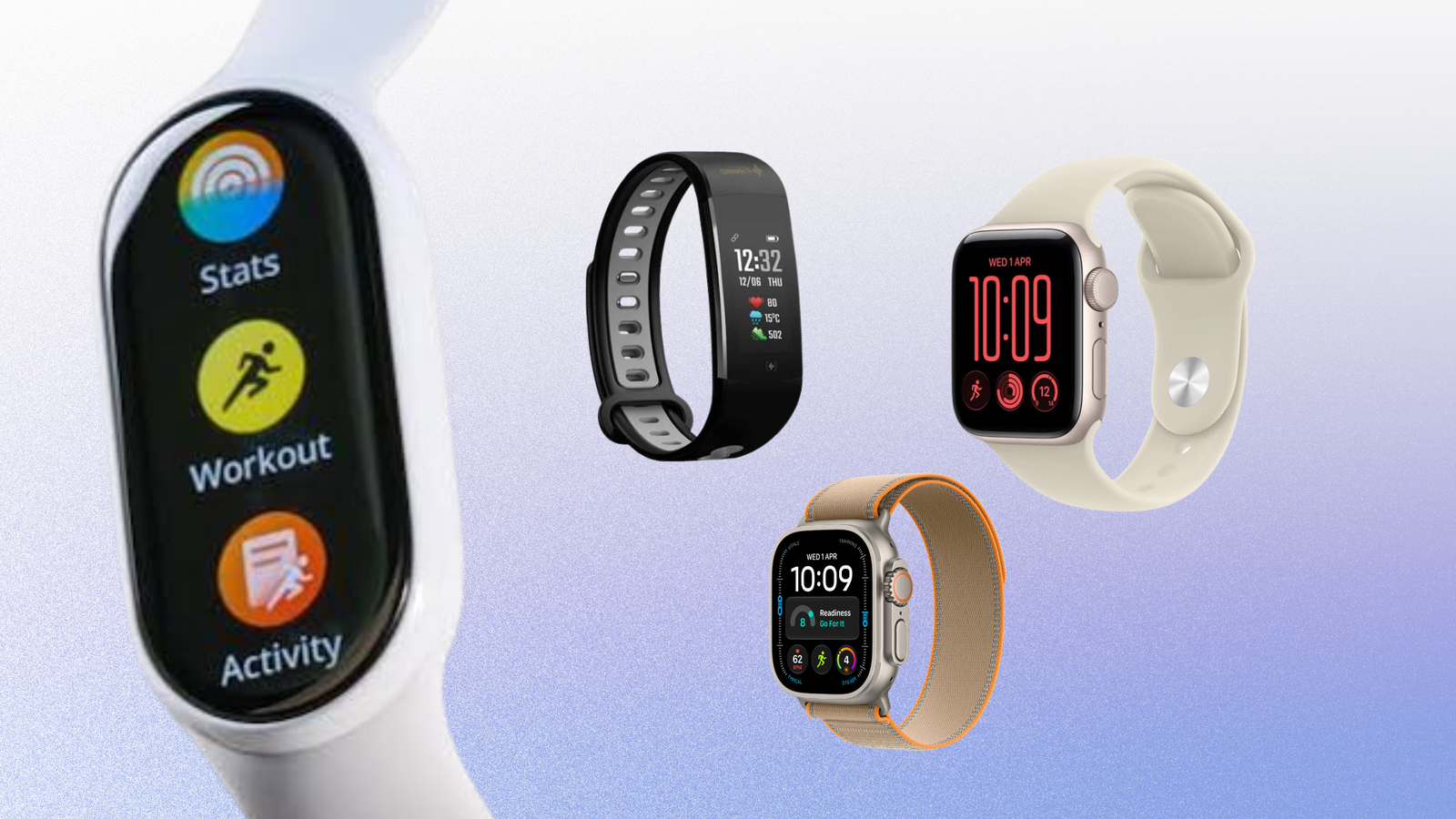
Smartwatches in 2026 have fragmented into distinct categories that serve different users in fundamentally different ways. A watch that is excellent for a runner is a poor choice for someone who primarily wants notification management and contactless payments. Before evaluating any specific model, the most useful exercise is identifying which category your use case actually belongs to, because the right watch in the wrong category will disappoint regardless of its spec sheet.


Category One: Fitness and Health Tracking Focused
If your primary interest is health data, sleep tracking, workout logging, and long battery life, you are in the fitness tracker or sport watch category. Garmin, Amazfit, and Fitbit dominate here. The key specifications are GPS accuracy, heart rate sensor quality, and battery life. A sport watch should last at minimum 7 days on a single charge in normal use and 10-plus hours with GPS active for long activities. Processor speed and display quality matter less than data accuracy. Look for watches with multi-GNSS satellite support if you use GPS for outdoor activities. SpO2 and HRV monitoring are worth having for sleep quality analysis. Avoid fitness-focused watches that prioritize display quality over sensor quality.
Category Two: Full Smartwatch Platform
If notifications, apps, contactless payments, and tight smartphone integration are the priority, you are in the platform smartwatch category. Apple Watch for iOS users, Samsung Galaxy Watch for Android users. These watches sacrifice battery life for capability. Expect one to two days per charge as the baseline. The benefit is seamless ecosystem integration that fitness trackers and sport watches cannot replicate. Apple Watch Series 10 and Samsung Galaxy Watch 7 are the current generation references. At their full retail prices they sit above the $100 budget tier, but refurbished and previous-generation options frequently appear in the $100 to $150 range on Amazon.
Category Three: Budget Hybrid
The sub-$100 smartwatch category has matured significantly. Watches like the Amazfit Bip 5, Samsung Galaxy Watch FE on sale, and Xiaomi Smart Band Pro occupy this space. They offer GPS, health tracking, notification mirroring, and basic app support at accessible prices. The honest trade-off is software polish: companion apps are less refined, app ecosystems are narrower, and software update support tends to end earlier than premium alternatives. For a first smartwatch or a secondary device, the budget hybrid category delivers more than its price implies.
Key Specs That Actually Matter
Display: AMOLED produces better color and contrast than LCD; always-on mode costs roughly 30 percent of battery life. Water resistance: 5ATM is the minimum for swimming; IP68 covers splashing and brief submersion. Heart rate sensor: optical sensors vary significantly in accuracy during high-intensity exercise; third-party validation studies are more reliable than brand claims. GPS: built-in GPS is essential for outdoor activities without a phone; connected GPS uses your phone’s GPS and is a meaningful limitation for runners and cyclists. Processor: enough processing power matters for smooth navigation, but diminishing returns set in quickly above the mid-tier spec level.
Platform Compatibility Check
This is the step most buyers skip and regret. Apple Watch requires an iPhone. Full Samsung Galaxy Watch features require a Samsung Android phone. Garmin, Amazfit, and Fitbit are broadly compatible with both iOS and Android but with feature variations. Check the specific app requirements for the watch you are considering before purchasing. A watch that requires an Android phone will not pair with an iPhone, and no amount of third-party apps changes that fundamental limitation. This single check eliminates more buyer regret than any other step in the smartwatch purchase process.
Battery Life Expectations
The advertised battery life on a smartwatch spec sheet is always measured under optimal conditions: display off most of the time, GPS off, low notification volume. Real-world battery life is typically 40 to 60 percent of the advertised figure for active users. A watch rated at 14 days should be expected to deliver 6 to 9 days in daily use with moderate fitness tracking and notifications enabled. Plan your purchase around realistic expectations rather than peak ratings. If you need to charge weekly, a fitness tracker with 10-day rated battery gives comfortable weekly charging. A smartwatch rated at 2 days requires nightly charging as a routine, which is a meaningful lifestyle consideration.
Summary: The Three Questions to Answer First
Before opening a single Amazon listing, answer these: Which platform is my phone on? What is my primary use case: health tracking, smartphone extension, or outdoor activity? What is my realistic budget including any subscription services required? Those three answers will eliminate 80 percent of the options and leave you with a shortlist where the remaining decision is about preferences rather than compatibility or capability mismatches. Buying the right category of watch matters more than buying the best watch in the wrong category.
My Reviewd helps you shop smarter with honest product reviews, practical buying guides, and trusted recommendations you can actually rely on.