
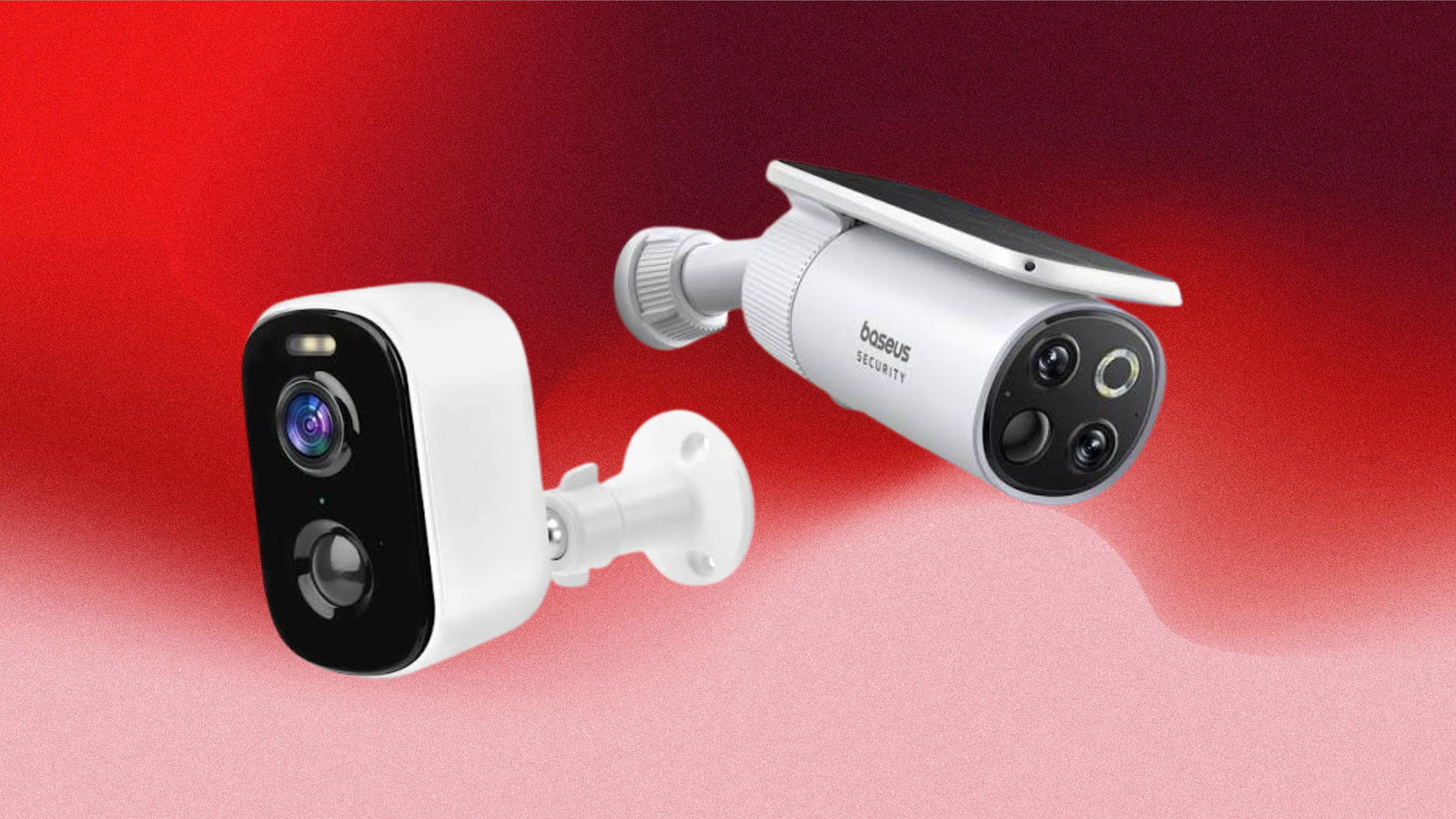
Home security cameras are one of the few smart home categories where buying the wrong product has real consequences beyond buyer’s remorse. A camera that lags, loses connection, or stores footage unreliably fails its core purpose. This guide covers the decisions that actually determine whether a camera system works in practice, drawing on the options available on Amazon in both the US and UK markets in 2026.

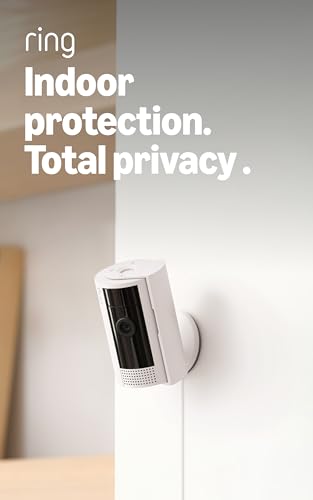
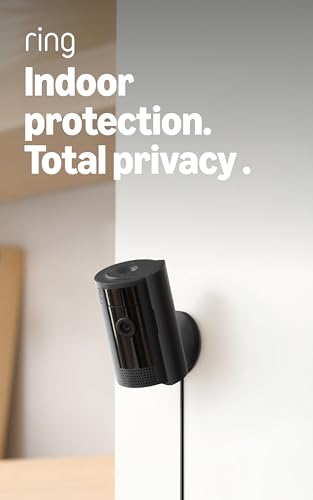
Indoor vs Outdoor: Different Requirements
Indoor cameras operate in controlled environments with stable temperatures, no moisture exposure, and generally lower wind or vibration interference. Outdoor cameras need weatherproofing at minimum IP65 and ideally IP66 or IP67. In the UK particularly, where sustained rain is common, an IP65 rating is the minimum acceptable for any outdoor installation. Outdoor cameras also need wider temperature operating ranges, UV-resistant housing, and tamper-resistant mounting. Do not install an indoor camera outdoors, even under a covered area, without confirming the IP rating supports outdoor use. The failure mode is slow and invisible until the camera stops working.
Resolution and Field of View
1080p is the current adequate standard for home security footage. 2K and 4K cameras exist in the consumer tier and offer better detail for identification at distance, but they require more storage, more bandwidth, and produce larger file sizes. For most home setups where the camera is within 20 feet of the area being monitored, 1080p is sufficient to identify faces and read license plates. Field of view between 110 and 130 degrees covers a standard room or driveway without distortion artifacts at the edges. Cameras with fields of view above 150 degrees often produce significant barrel distortion that degrades image quality at the periphery.
Wired vs Wireless: The Real Trade-off
Battery-powered wireless cameras are easy to install and require no electrician, but they introduce two ongoing friction points: battery maintenance and connection reliability. A camera that needs charging every 2 to 3 months requires a routine that is easy to forget until the camera is dead during the event it is meant to capture. Wired cameras eliminate both friction points but require cable routing that may involve drilling or professional installation. Solar-powered cameras with a battery buffer are a middle option that has become more reliable as solar panel efficiency has improved. For permanent installations, wired is the more dependable long-term choice.
Storage: Cloud vs Local
Cloud storage requires a monthly subscription with ongoing cost but provides off-site footage access from anywhere. Local storage via SD card or NAS is a one-time cost but the footage is only accessible on the local network and is vulnerable to theft of the device itself. Most systems now offer hybrid storage. The subscription cost calculation matters: two cameras on a Ring Basic plan in the US costs approximately $120 per year, and that is a real number to factor into total ownership cost. Blink’s local storage option via the Sync Module 2 at a one-time cost is a meaningful alternative for users who resist subscription models.
Detection Technology
Motion detection using PIR sensors generates far fewer false alerts than pixel-difference detection, which triggers on any movement including shadows and light changes. Person detection using on-device AI is the next level: it filters motion events to only alert when a human shape is identified. Package detection, vehicle detection, and facial recognition are additional layers available in premium systems. In practice, person detection alone eliminates the majority of irrelevant alerts that make basic motion-triggered cameras annoying to live with. Prioritize cameras with on-device AI detection over those that rely on cloud-side processing, which introduces latency and is subscription-dependent.
Recommended Systems for US and UK in 2026
For US homes: Ring is the most integrated option for Amazon and Alexa households. Google Nest Cam is the better choice for Google Home users. Blink is the budget entry point. Eufy offers strong local storage options without mandatory subscriptions. For UK homes: all of the above are available, with Eufy having grown particularly strong in the UK market due to its no-subscription local storage model, which resonates with UK consumers who are wary of ongoing service costs. Arlo is available in both markets and has a strong reputation for outdoor camera performance, though it sits at a higher price point.
Before You Buy: The Practical Checklist
Confirm the camera’s IP rating matches its installation location. Verify the Wi-Fi frequency compatibility: many cameras are 2.4GHz only, which may conflict with router configurations. Check whether person detection requires a subscription or is included free. Calculate the annual subscription cost if cloud storage is required. Confirm the app is available in your region with full functionality. Security cameras fail most commonly not because of hardware quality but because of poor placement, inadequate Wi-Fi signal at the installation point, or subscription lapse. Address those variables before purchase, not after.
My Reviewd helps you shop smarter with honest product reviews, practical buying guides, and trusted recommendations you can actually rely on.