
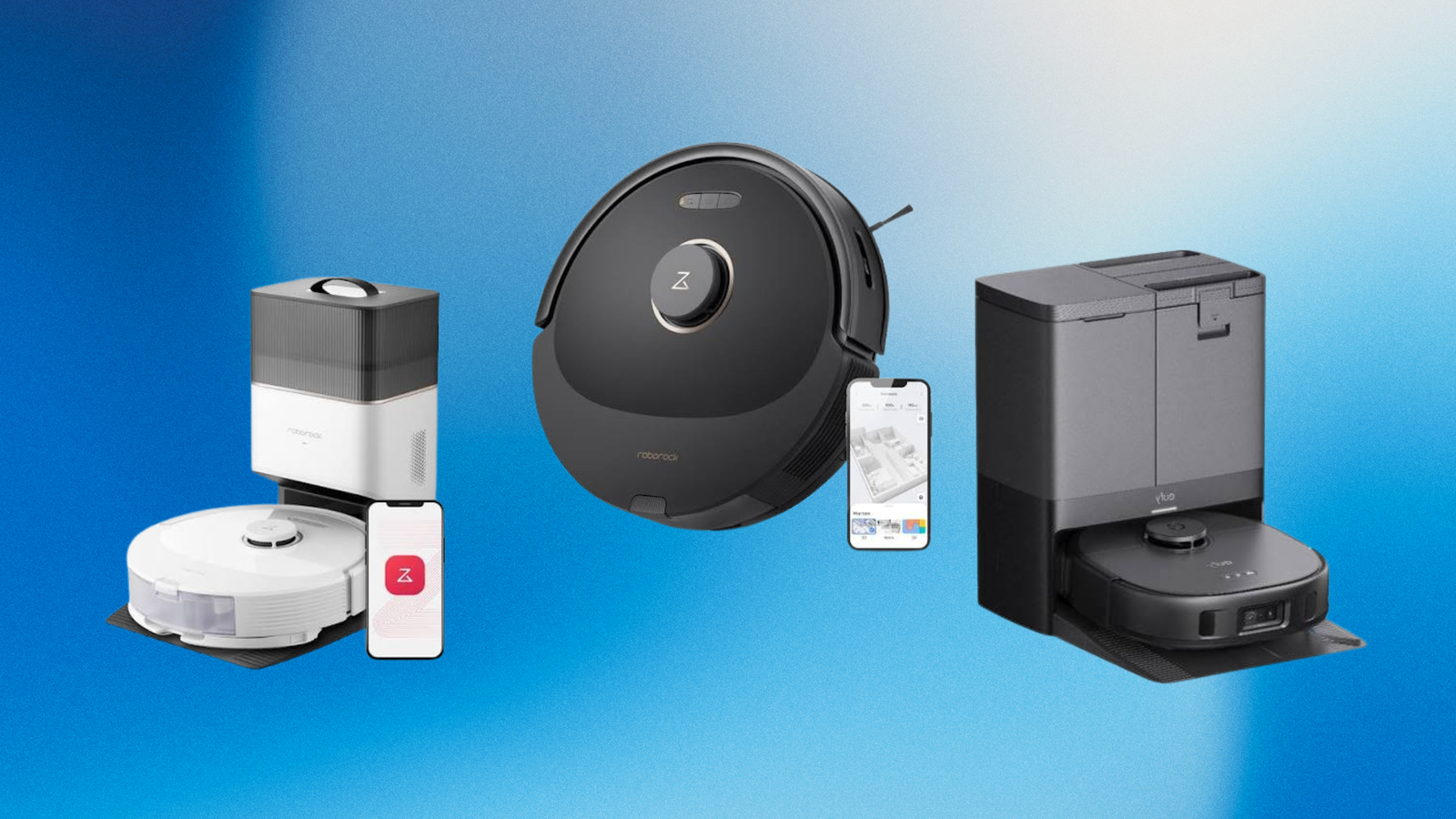
Robot vacuums have matured from novelty purchases into genuinely useful household appliances, but the gap between a good robot vacuum and a frustrating one is larger than in most product categories. The technology varies significantly across price tiers in ways that directly affect whether the device becomes part of your daily routine or ends up under the bed it was supposed to clean. This guide covers what actually matters.


Navigation Technology: The Most Important Variable
How a robot vacuum finds its way around your home determines almost everything about how useful it is. The two main systems are random bounce navigation and mapping navigation. Random bounce vacuums move until they hit something, change direction, and repeat. They eventually cover most of a room but inefficiently and unpredictably. Mapping vacuums use LiDAR or camera-based visual SLAM to create a floor plan and navigate in systematic rows. The coverage efficiency of mapping vacuums is dramatically better. For any home larger than a studio apartment, mapping navigation is not a luxury feature. It is the feature that makes the device work as intended. LiDAR mapping is generally more accurate than camera-based mapping in low-light conditions.
Suction Power and Floor Type Matching
Suction power is measured in Pascals. For hard floors, 1500 to 2000Pa is adequate. For carpets, particularly medium to high pile, 2500Pa or higher is the minimum for effective cleaning. Very high suction modes at 4000Pa and above exist in premium models and are genuinely useful for carpet, but they consume more battery and produce more noise. Match the suction capability to your floor type: spending for 4000Pa on an all-hard-floor home is unnecessary. Buying 1500Pa for a mixed carpet and hard floor home will produce consistently disappointing carpet results.
Mopping Functionality
Many robot vacuums now include mopping attachments, and the quality of that feature varies enormously. Basic mopping means dragging a damp pad across the floor, which is marginally better than nothing on hard floors. Sonic mopping uses vibration to scrub rather than just drag, which produces meaningfully better results. Pressurized mop heads that lift and drop to avoid carpets are the most sophisticated implementation. Before paying for a vacuum-mop combo, assess whether mopping is a feature you will use weekly. If yes, invest in a model where mopping is a genuine capability rather than an afterthought attachment.
Obstacle Avoidance
Entry-level robot vacuums run into obstacles, get stuck on cables, and occasionally consume socks. Mid to premium models use structured light, 3D sensors, or camera systems to detect and avoid objects. The practical implication is the amount of floor preparation required before each clean. A vacuum that requires you to tidy cables, move chair legs, and clear small objects before running negates a significant portion of its convenience value. Obstacle avoidance technology has improved substantially in the $300 to $500 tier. Below $200, expect to do floor preparation before every clean.
Auto-Empty Docking Stations
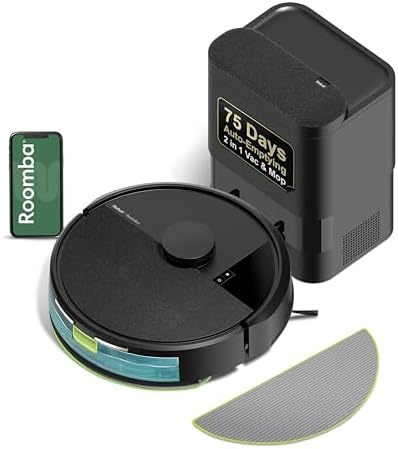
Auto-empty bases collect debris from the vacuum’s dustbin into a larger bag or bin that needs emptying every 30 to 60 days rather than after every clean. For households with pets or high dust environments, this feature shifts robot vacuum maintenance from a daily task to a monthly one. The base units add cost: expect to pay $80 to $150 more for a model with an auto-empty dock. Replacement bags for the dock are a recurring cost of around $15 to $25 per set. For households without pets and with a regular cleaning schedule, the manual empty process takes under a minute and the auto-empty premium may not be justified.
App and Smart Home Integration
The quality of the companion app affects daily usability significantly. Look for apps that allow: zone-based cleaning where you can target specific rooms, no-go zone mapping to keep the vacuum away from problem areas, scheduling by day and room, and cleaning history logs. Alexa and Google Home integration for voice-triggered cleaning is a convenience feature rather than a necessity. The most useful smart home integration is automated scheduling based on when you leave the house, which some premium models support through geofencing. Check app reviews separately from product reviews: a good vacuum with a poorly maintained app produces a frustrating ownership experience.
Price Tier Reality Check
Under $200 buys a robot vacuum that cleans adequately in simple floor plans without furniture obstacles. It requires floor preparation, has limited mapping capability, and needs manual emptying after every clean. The $200 to $400 range adds reliable mapping, basic obstacle avoidance, and improved suction. The $400 to $700 range adds auto-empty docking, better obstacle avoidance, and mopping capability. Above $700, you are paying for the best available obstacle avoidance, self-emptying and self-refilling mop systems, and AI-powered object recognition. Roborock and Dreame represent strong value at the mid-tier. Roomba and Roborock lead the premium tier.
My Reviewd helps you shop smarter with honest product reviews, practical buying guides, and trusted recommendations you can actually rely on.